

Top 10 Wealthiest People in Cameroon 2026
The top wealthiest people in Cameroon 2026 do not court the spotlight. They rarely grant interviews. Most avoid financial press entirely. Yet their influence on Central Africa’s economy is undeniable. These names are in banking boardrooms. They are listed on tea plantation ledgers. Their names are found in cocoa export manifests and are located inside telecommunications portfolios worth hundreds of millions of dollars.
Cameroon has not yet produced a Forbes-certified dollar billionaire. That distinction still belongs to Nigeria and South Africa. However, within Central Africa’s economic landscape, Cameroonian business figures hold some of the most formidable private fortunes on the continent. According to Forbes Africa, nine Cameroonians appeared on its Francophone sub-Saharan Africa wealth list. None has crossed the billion-dollar threshold yet. Even so, what they have built is arguably more durable than headline figures suggest. Their empires span multiple sectors, multiple countries, and in some cases, multiple generations.
Below is a carefully sourced look at each figure. It covers net worth estimates and primary and secondary sources of wealth. It also includes Forbes standing and explains why their influence runs deeper than any single number can capture.
The Established Giants of Cameroonian Private Wealth
Baba Ahmadou Danpullo sits firmly at the top. Danpullo has a fortune estimated at $940 million. He is ranked number one on Forbes Afrique’s rankings, the French edition of the U.S. magazine. His story begins far from that ranking. He started in tea cultivation. Eventually, he owned one of South Africa’s largest private property portfolios. His story is one of grit, vision, and calculated ambition.
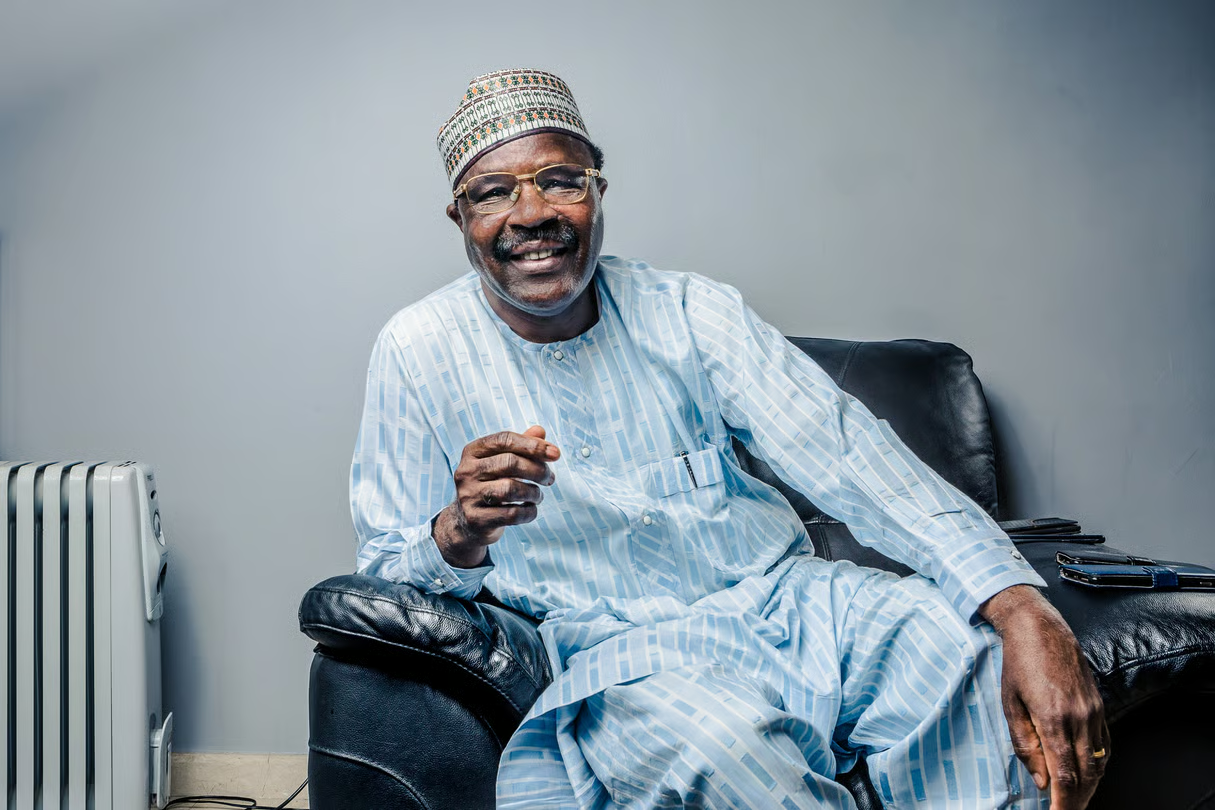
His breakthrough came through a well-placed connection. His real break arrived in the 1980s when he secured access to key import licenses and financing, two critical resources that propelled his business forward. From there, he moved fast and diversified aggressively. Today, Danpullo operates through the Baba Ahmadou Group, a conglomerate active in real estate, agro-industry, transport, telecommunications, media, and physical trading. The group operates in Cameroon, South Africa, Nigeria, and Switzerland.
His agricultural footprint alone is enormous. He owns Ndawara Tea Estate, the largest privately held tea estate in West Africa. He also owns the Elba Ranch, a private breeding company founded in 1976, with more than 20,000 French-origin cattle across three ranches. In telecommunications, he holds a 49 percent stake in Nexttel Cameroon, the country’s first 3G operator. Nexttel has grown to 3.6 million subscribers and created over 1,000 direct jobs.
His real estate portfolio spans continents. The Baba Ahmadou Group today holds the largest portfolio of independent properties in South Africa, including commercial buildings and shopping centres in Johannesburg, Cape Town, and Port Elizabeth. Furthermore, Danpullo recently filed a constitutive deed for the establishment of Societe Cameroon Port Operators, a new maritime transport company dedicated to transit operations across Central Africa. His reach now extends to sea, air, land, and digital infrastructure.
Beyond business, Danpullo has also emerged as an informal political mediator, with President Paul Biya leaning on him to reestablish contact with estranged political rival Issa Tchiroma Bakary following a disputed election. His commercial weight and cross-border relationships make him uniquely positioned to influence outcomes far beyond the balance sheet.
Source of Wealth: Tea estates, telecommunications, real estate, agro-industry, aviation, flour milling, maritime transport Forbes Standing: Ranked No. 1 richest in Francophone sub-Saharan Africa by Forbes Afrique Estimated Net Worth: $940 million
Paul Fokam Kammogne follows with an estimated net worth of $690 million. His influence, moreover, operates through a different model entirely. Rather than building across sectors, he built an institution. As founder of Afriland First Bank, he constructed a financial system that now anchors entire sub-regional economies.
Afriland crossed the CFA 2 trillion mark for the first time in 2024. Total assets reached $3.6 billion, a 9.3 percent increase year over year. Net income climbed to $50.75 million. The bank now operates across nine African countries. It serves over 705,000 customers through 87 branches, 218 ATMs, and 386 electronic payment terminals. Afriland received approval from the Central African Banking Commission. This approval gave clearance to open new branches in Congo, the Central African Republic, and Chad. In 2025, the bank partnered with the International Finance Corporation. They unlocked $60 million in SME lending. The lending focused on women-led businesses.
Source of Wealth: Banking, financial services, corporate finance Forbes Standing: Featured on Forbes Africa’s Francophone sub-Saharan Africa wealth rankings Estimated Net Worth: $690 million
Samuel Foyou ranks third with an estimated net worth of $450 million. He represents a different model of Cameroonian wealth: the industrialist who builds empires inside the domestic economy. He founded BRASAF, one of Cameroon’s leading breweries. Furthermore, his investments extend into plastics, glass manufacturing, matches, and hospitality. His Krystal Beach Hotel is among his most visible assets. Together, these operations make him one of the largest private sector employers in the country.
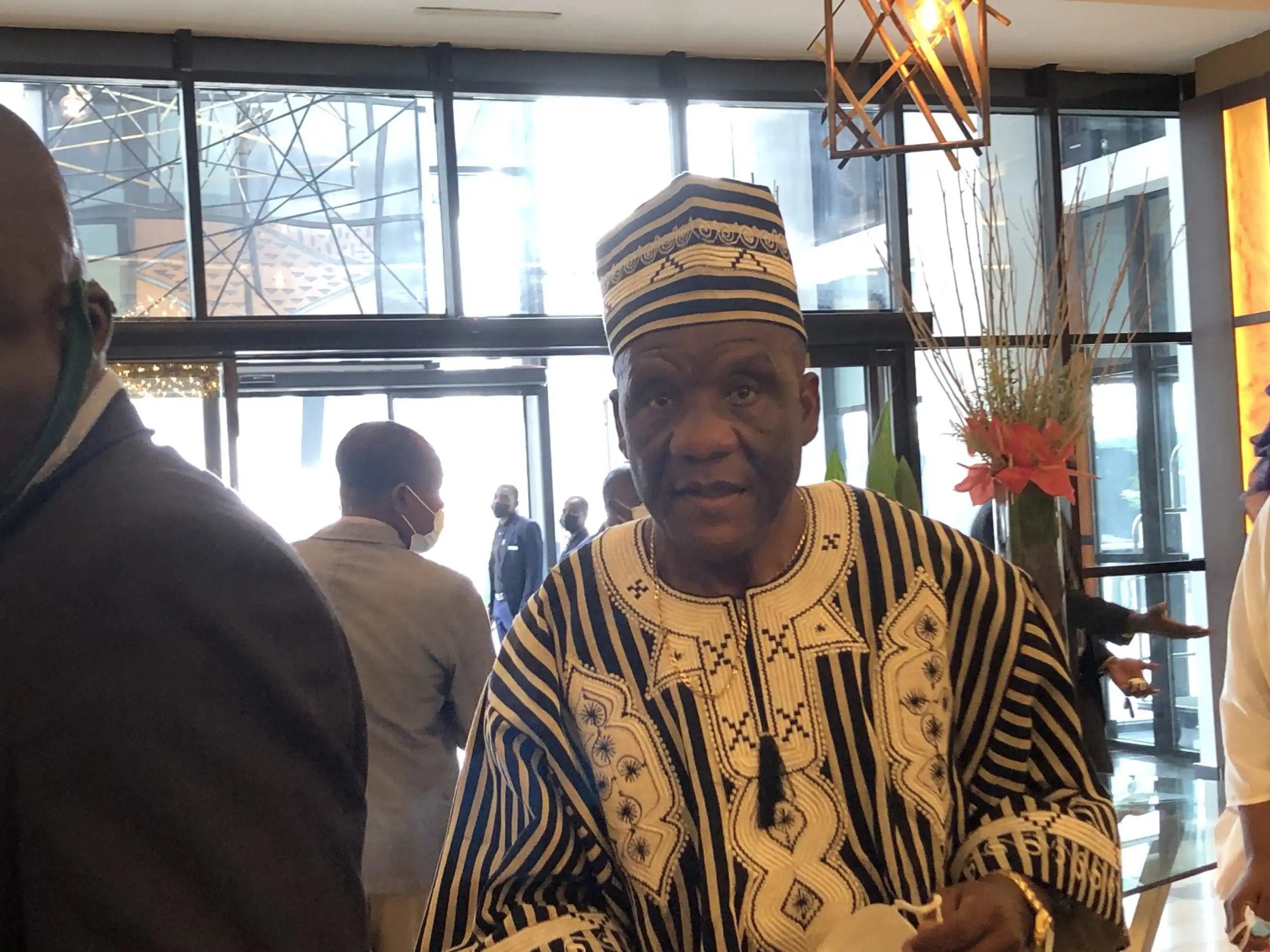
Source of Wealth: Brewery, beverages, plastics, glass manufacturing, hospitality Forbes Standing: Listed among Forbes Africa’s nine wealthiest Cameroonians Estimated Net Worth: $450 million
Colin Ebarko Mukete carries a name that represents more than personal wealth. It represents over a century of institutional power. His estimated net worth sits at $370 million. He serves as Chairman of the Board of MTN Cameroon, one of the country’s largest mobile network operators. He also sits on the Advisory Board of International Mining and Infrastructure Corporation, a mining company listed on the London Stock Exchange. The wider Mukete dynasty, moreover, spans law, banking, forestry, telecommunications, and political representation across multiple generations. That continuity is itself a form of wealth that no valuation fully captures.
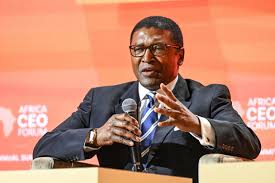
Source of Wealth: Telecommunications, plantations, real estate, mining Forbes Standing: Listed among Forbes Africa’s nine wealthiest Cameroonians Estimated Net Worth: $370 million
Nana Bouba commands an estimated net worth of $350 million. His conglomerate operates squarely inside Cameroon’s domestic economy. The Nana Bouba Group produces tomato concentrates and beef products that reach millions of ordinary consumers daily. His company recorded a turnover of $350 million as far back as 2016. Furthermore, his agro-industrial and construction operations give his enterprise a domestic resilience that export-dependent businesses often lack.
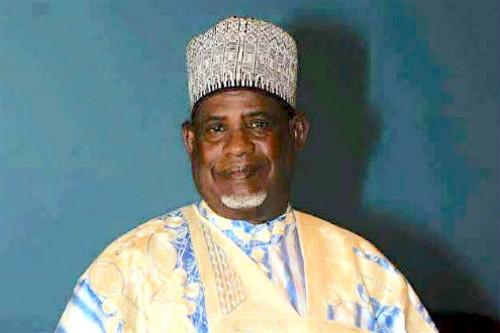
Source of Wealth: Food production, agro-industry, construction, beverages Forbes Standing: Listed among Forbes Africa’s nine wealthiest Cameroonians Estimated Net Worth: $350 million
Sylvestre Ngouchinghe built a $280 million fortune on one of the most practical pillars imaginable. He owns Congelcam SA, Cameroon’s dominant frozen food import and distribution network. His company employs over 2,000 people across the country. It supplies thousands of businesses through an extensive nationwide cold chain. His story, therefore, offers an important lesson: logistics, done at scale, creates lasting wealth just as surely as banking or agriculture.
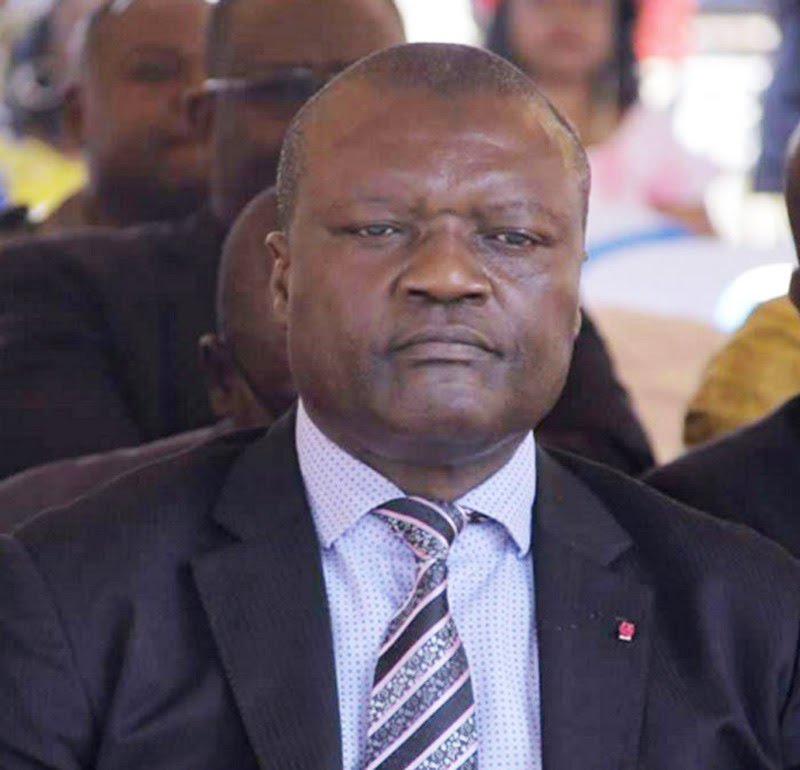
Source of Wealth: Seafood import and distribution, cold chain logistics Forbes Standing: Listed among Forbes Africa’s nine wealthiest Cameroonians Estimated Net Worth: $280 million
Kate Fotso is perhaps the most closely watched figure on this entire list. Forbes Africa recognizes her as the richest woman in Cameroon. Her estimated net worth stands at $252 million. Through Telcar Cocoa Ltd., she built the largest cocoa export operation in the country. At its peak, Telcar controlled roughly 30 percent of Cameroon’s total cocoa exports.
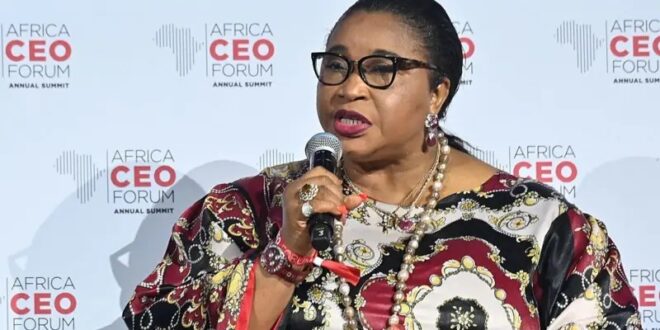
However, 2025 brought a significant turning point. Telcar’s purchase volumes fell more than 50 percent in the 2024 to 2025 season. Its long-running partnership with American agribusiness giant Cargill ended following disagreements over revenue sharing and sustainability compliance. Processing operations were also suspended temporarily due to declining bean quality from farmers. Nevertheless, Fotso is already pivoting. She is now developing Bridge Riviera Development and Hospitalities Plc, a luxury hotel and real estate venture launched in 2023. That move signals an appetite for reinvention rather than retreat.
Source of Wealth: Cocoa export, agricultural trading, real estate, hospitality Forbes Standing: Ranked richest woman in Cameroon by Forbes Africa, 20th in Francophone sub-Saharan Africa Estimated Net Worth: $252 million
The Next Generation Driving Cameroon’s Wealth Forward
Mohamadou Bayero Fadil leads the Fadil Group, a family enterprise with roots stretching back to 1944. That makes it one of the longest continuously operating private conglomerates in Cameroon. He inherited a strong foundation and expanded it. Today, the group operates in edible oils, soap production, livestock farming, and hotels. His estimated net worth stands at $252 million. The Fadil Group’s survival across multiple political and economic cycles speaks directly to the quality of its institutional foundations.
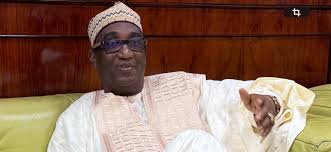
Source of Wealth: Edible oils, soap production, livestock, agro-industry, hospitality Forbes Standing: Consistent presence on Cameroonian wealth rankings Estimated Net Worth: $252 million
Christian Ngan represents something genuinely different. He is a young, internationally trained entrepreneur who chose to return home and build from almost nothing. In 2012, he founded Madlyn Cazalis Group in Paris with just $2,500 in personal savings. The brand grew around a clear mission: offering organic, natural skincare products as a direct alternative to harmful skin bleaching. That mission found a large and loyal market quickly. Within a few years, Madlyn Cazalis became a benchmark brand across Central and West Africa, distributing through more than 200 sales points on the continent.
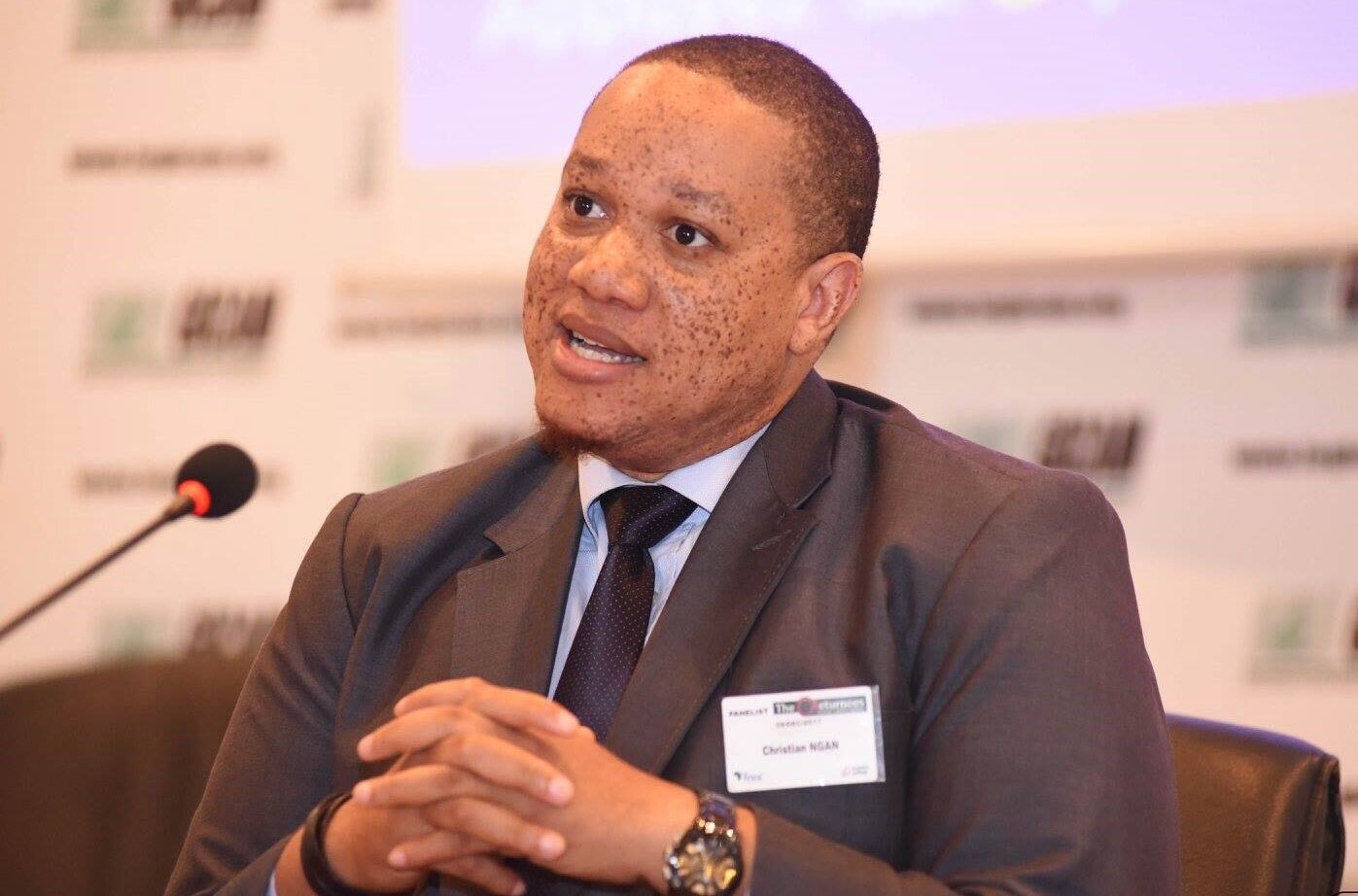
Forbes magazine listed him among the “30 Most Promising Young Entrepreneurs in Africa” in both 2014 and 2015. Beyond cosmetics, his holding company, Adlyn Holdings, has since extended into agribusiness and real estate. His estimated net worth stands at $200 million. Importantly, that figure continues to grow as the natural cosmetics market across Africa expands rapidly.
Source of Wealth: Natural cosmetics, agribusiness, real estate Forbes Standing: Twice listed in Forbes “30 Most Promising Young Entrepreneurs in Africa” Estimated Net Worth: $200 million
The Kadji Family closes this list with a collective fortune estimated at $200 million. Patriarch Joseph Kadji Defosso built his wealth through the Kadji Group and the brewing company UCB, the Union Camerounaise de Brasseries. UCB controls over 15 percent of the country’s beer market. The family also holds investments in insurance, hotels, and real estate, including the K-Hotel in Douala. Defosso passed away in 2018 at the age of 95. His children, including Gilbert and Nicole, continue to manage and expand the empire. As a result, this family demonstrates how generational wealth, properly structured, outlasts its founder and adapts to new economic conditions.
Source of Wealth: Brewing, insurance, real estate, hospitality Forbes Standing: Listed among Forbes Africa’s nine wealthiest Cameroonian families Estimated Net Worth: $200 million
Taken together, the top wealthiest people in Cameroon 2026 share a common thread. They built across sectors. They invested during downturns. They diversified when others consolidated. Danpullo doubled his flour mill capacity during a continent-wide recession. Fokam expanded his bank into four new countries during uncertain times. Fotso is building hotels while restructuring cocoa. Ngan launched a cosmetics empire on $2,500. The pattern is consistent: treat adversity as an entry point, not a warning sign.
Cameroon’s path to producing its first confirmed dollar billionaire on a global Forbes list is not guaranteed or imminent. However, the building blocks are already firmly in place. They are being assembled quietly, patiently, and entirely on Cameroonian terms.