


After 11 Years in Exile Nigerian Refugees Begin Complex J...
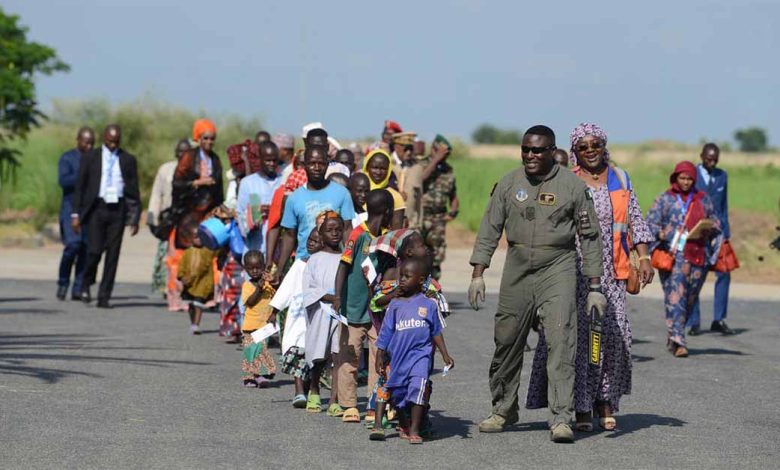
The buses rolled out of Minawao refugee camp on Tuesday morning, carrying what amounts to both hope and uncertainty. About 300 Nigerian refugees departed the sprawling settlement in Cameroon’s Far North region, beginning what officials describe as a voluntary return to Borno State after more than a decade of displacement.
The convoy, comprising 75 households, headed for Pulka in Gwoza local government area near the Cameroon border. It marks the opening chapter of a broader initiative to bring home more than 3,000 Nigerians currently sheltering in the camp they fled to when Boko Haram violence consumed their communities.
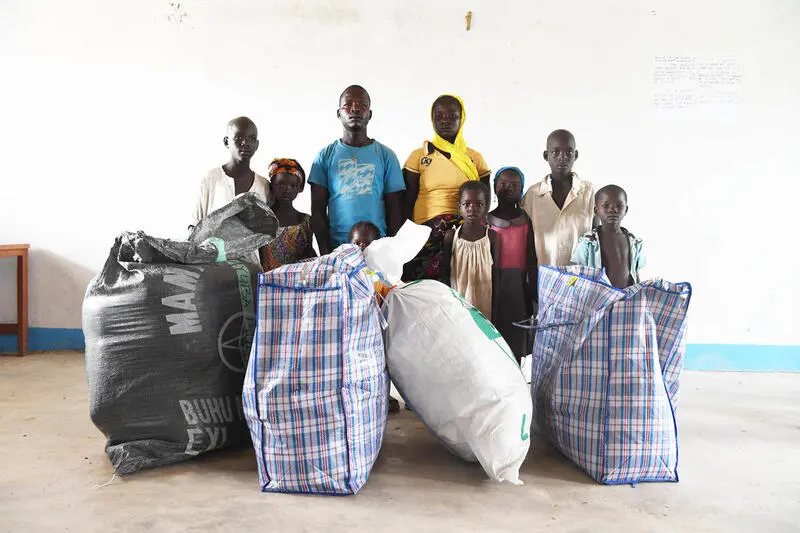
At the reception point, scenes unfolded that capture the emotional weight of displacement in reverse. Some returnees knelt to touch soil they had not felt beneath their feet in over ten years. Others offered prayers. Children born in exile gazed with curiosity at landscapes their parents once called home, while elderly residents clutched bags containing whatever possessions survived years of waiting.
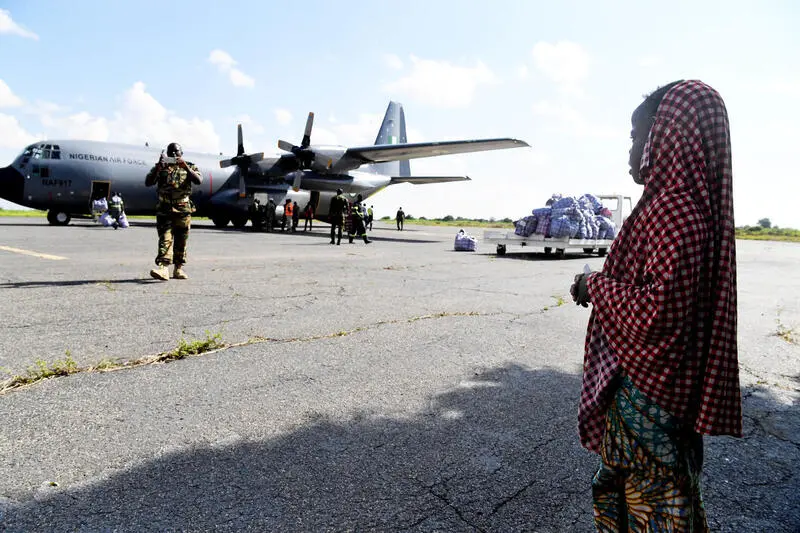
The homecoming represents the fourth phase of repatriation efforts that formally began in 2020, conducted under a tripartite framework involving Nigeria, Cameroon and the United Nations refugee agency. Nigerian military personnel from Operation Hadin Kai, alongside civilian authorities and humanitarian partners, coordinated the movement across the border.
Each household head received 500,000 naira in cash support, with an additional 50,000 naira provided to each wife. The Borno State government supplied mattresses and wrappers, while the National Commission for Refugees distributed essential food supplies including rice, millet, beans and cooking oil.
Governor Babagana Zulum, who visited Minawao camp in early December, had promised returning families these cash grants along with irrigation kits and water infrastructure to help rebuild agricultural livelihoods devastated by insurgency. Standing before thousands of refugees during that visit, he assured them that security had significantly improved in areas like Gwoza through coordinated military operations and community defense structures.
Cameroon’s Far North governor, Midjinyawa Bakari, personally bid farewell to the departing refugees, praising what he called exemplary bilateral cooperation in addressing displacement caused by the Lake Chad Basin crisis.
The initiative comes as Minawao camp continues straining under population pressure. Built in 2013 with capacity for roughly 35,000 people, the facility now hosts more than 75,000 refugees according to humanitarian organizations, though official figures suggest the actual number may be higher. Food rations have been cut by half, shelters are damaged or incomplete, and the surrounding environment has suffered severe deforestation as residents depend on firewood for survival.
Climate stress compounds these challenges. The camp sits in an area affected by desertification and extreme temperatures. Flooding destroyed shelters and crops in recent years, while drought impoverishes agricultural yields. Many refugees have spent between three and eight years at Minawao, with some approaching their tenth year.
Engineer Lawan Abba Wakilbe, who chairs Borno State’s repatriation subcommittee, met with Cameroonian officials and UNHCR representatives ahead of the departures to finalize logistics. He emphasized that the process proceeds smoothly under established agreements, with all commitments from Governor Zulum’s December visit being fulfilled.
Yet the milestone arrives amid persistent questions about what returnees will actually find upon arrival. The security landscape in northeastern Nigeria remains volatile despite official assurances of improvement.
Recent months have witnessed renewed attacks in resettled areas. In April, suspected Boko Haram militants raided Yamtake in Gwoza, killing soldiers and civilians in what residents described as a coordinated nighttime assault. The previous day, attackers struck Pulka itself, the same town now receiving returnees, though security forces repelled them. In March, insurgents attacked Nguro Soye near Bama, killing at least three residents, torching homes and looting supplies.
According to humanitarian reporting, attacks have become more sporadic than they were at the height of the insurgency, but they continue. Improvised explosive devices planted on highways kill and injure civilians and security personnel regularly. Kidnappings occur in under resourced resettlement sites, forcing families to sell belongings or go into debt to pay ransoms.
Senator Ali Ndume, representing the Gwoza area in Nigeria’s National Assembly, recently called for reassessment of security deployments after attacks on resettled communities, warning that progress made in rebuilding cannot be lost.
A New Humanitarian investigation in late 2025 found that former internally displaced persons resettled to areas like Pulka, Limankara and Ngoshe expressed profound vulnerability. Many knew someone who had been kidnapped or killed by insurgents since returning. With threadbare military protection, residents reported feeling they were on their own, relying only on faith.
The pattern of premature returns creating new crises is well documented. UNHCR warned in 2017 that returns from Cameroon to northeastern Nigeria risked worsening fragile humanitarian conditions. By 2021, displaced Nigerians voiced anxiety about being pushed back to unsafe areas as camp closures accelerated.
Those concerns center on whether reception infrastructure can support thousands of people. Beyond the initial cash grants and food supplies, returnees will need functioning healthcare facilities, schools for children, access to farmland or markets, and shelter in communities where property may have been destroyed. Livelihoods disrupted over a decade cannot restart without sustained support.
The psychological dimension remains largely unaddressed. Studies indicate that more than 70 percent of displaced individuals have experienced trauma manifesting as depression, anxiety and post traumatic stress disorder, yet mental health services remain chronically underfunded in return areas.
Humanitarian operations in Borno face their own crisis. Funding cuts have forced organizations to withdraw from several local government areas, creating gaps in services for acute malnutrition treatment and primary healthcare. Some areas that once had stabilization centers for severely malnourished children now have none, forcing referrals to already overburdened facilities elsewhere.
The repatriation also occurs against the backdrop of broader displacement dynamics across the Lake Chad region. Over 2.2 million people remain internally displaced in northeastern Nigeria as of mid 2025, with Borno bearing the majority. Armed groups including Boko Haram factions and the Islamic State West Africa Province continue attacks despite military countermeasures.
For the 300 people who crossed the border this week, the return represents a gamble that conditions have improved enough to rebuild. For the estimated 3,000 more cleared for repatriation from Minawao, the decision remains ahead of them.
Nigerian lawmakers including Senator Ndume have commended both the federal government and Governor Zulum for executing the repatriation under the 2017 tripartite agreement originally negotiated when current Vice President Kashim Shettima served as Borno governor.
The symbolism is potent. Families who once fled gunfire and abductions arriving to prayers, embraces and the weight of starting over. But symbols matter less than sustainability. Whether this crossing becomes a durable solution depends on factors beyond the ceremony of arrival, on the daily realities of security, services and support that will either allow rebuilding or force another round of displacement.
The road home may be open, as Governor Zulum assured refugees, but the journey from return to true resettlement stretches far beyond that initial bus ride across the border.