


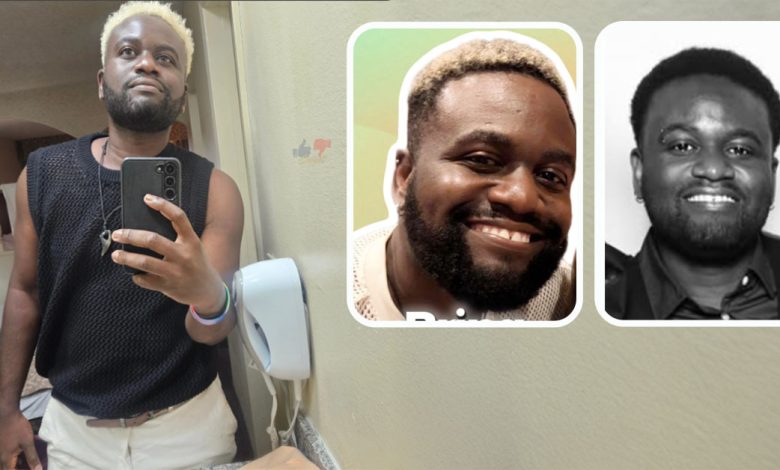
Gay Cameroonian Gamer Detained by ICE Sparks Fears of Dep...
The detention of Ludovic Mbock has ignited concern among immigration attorneys, human-rights advocates, and members of the LGBTQ community in the United States. The 38-year-old professional gamer, who has lived in Maryland for years, now faces possible deportation to Cameroon—a place where same-sex relationships remain illegal and where activists say openly gay people often face persecution.
Mbock’s detention began in late February 2026 during what his family believed would be a routine check-in with U.S. Immigration and Customs Enforcement in Baltimore. Instead of completing a standard compliance appointment, agents took him into custody and initiated deportation procedures.
According to reporting by WTOP, authorities then transferred Mbock through multiple detention centers. Reports indicate he has been moved between facilities in Louisiana and Georgia since the arrest. Immigration attorneys say such transfers are common in deportation cases, but they can complicate access to legal counsel and family support.
Mbock’s lawyer, Edward Neufville, warns that returning his client to Cameroon could place him in serious danger.
“He’s an openly gay person,” Neufville told WTOP. “He won’t be able to survive in Cameroon.”
The concern stems from Cameroon’s legal framework surrounding homosexuality. Article 347-1 of the country’s penal code criminalizes same-sex relationships and allows courts to impose prison sentences of up to five years along with fines. Human-rights organizations say enforcement of the law often goes beyond the legal text itself.
Groups such as Human Rights Watch and Amnesty International have documented cases of arrests, harassment, and violence against LGBTQ individuals in Cameroon. Reports describe situations where people were detained based on suspicion or accusations rather than confirmed evidence of same-sex conduct.
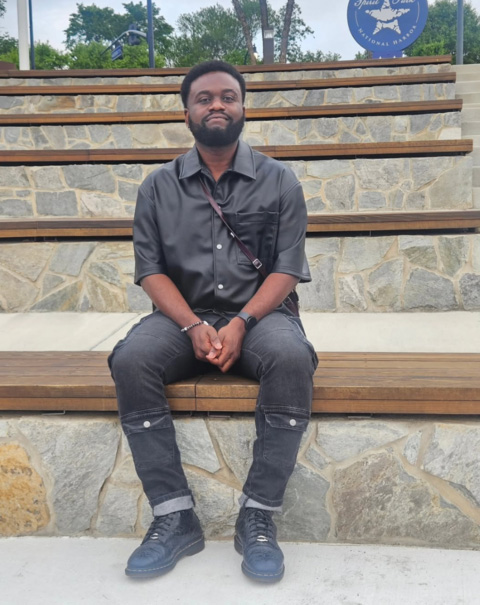
Because of these conditions, many LGBTQ migrants from Cameroon seek asylum in Western countries, including the United States.
Mbock’s case also arrives during ongoing debate over immigration enforcement policies introduced during the administration of Donald Trump. Critics argue those policies expanded deportation enforcement and placed additional pressure on migrants seeking asylum. Immigration lawyers say strict enforcement can sometimes conflict with asylum protections when individuals claim persecution based on identity.
U.S. asylum law recognizes persecution based on sexual orientation as grounds for protection. Legal scholars also reference the international principle of non-refoulement, which prohibits returning people to countries where they face serious threats to life or freedom.
Mbock’s situation reflects that tension between enforcement and protection. While immigration authorities have the power to carry out deportation orders, courts must also examine whether deportation would expose an individual to persecution.
Family members say Mbock arrived in the United States as a teenager and built his life in Maryland. They believed he was complying with immigration requirements while pursuing legal avenues to remain in the country. His sudden arrest during a routine appointment left relatives stunned.
Advocates say deportation in cases involving LGBTQ migrants can create life-threatening consequences. If returned to Cameroon, Mbock could face arrest, imprisonment, or violence because of his sexual orientation.
As news of his detention spread, friends and supporters launched a fundraising campaign to help cover legal expenses while Mbock remains in ICE custody. The effort, organized by David Hazlewood and several supporters on behalf of Diane Sohna, seeks to raise money for attorney fees, court costs, and other legal resources needed to fight the deportation case.
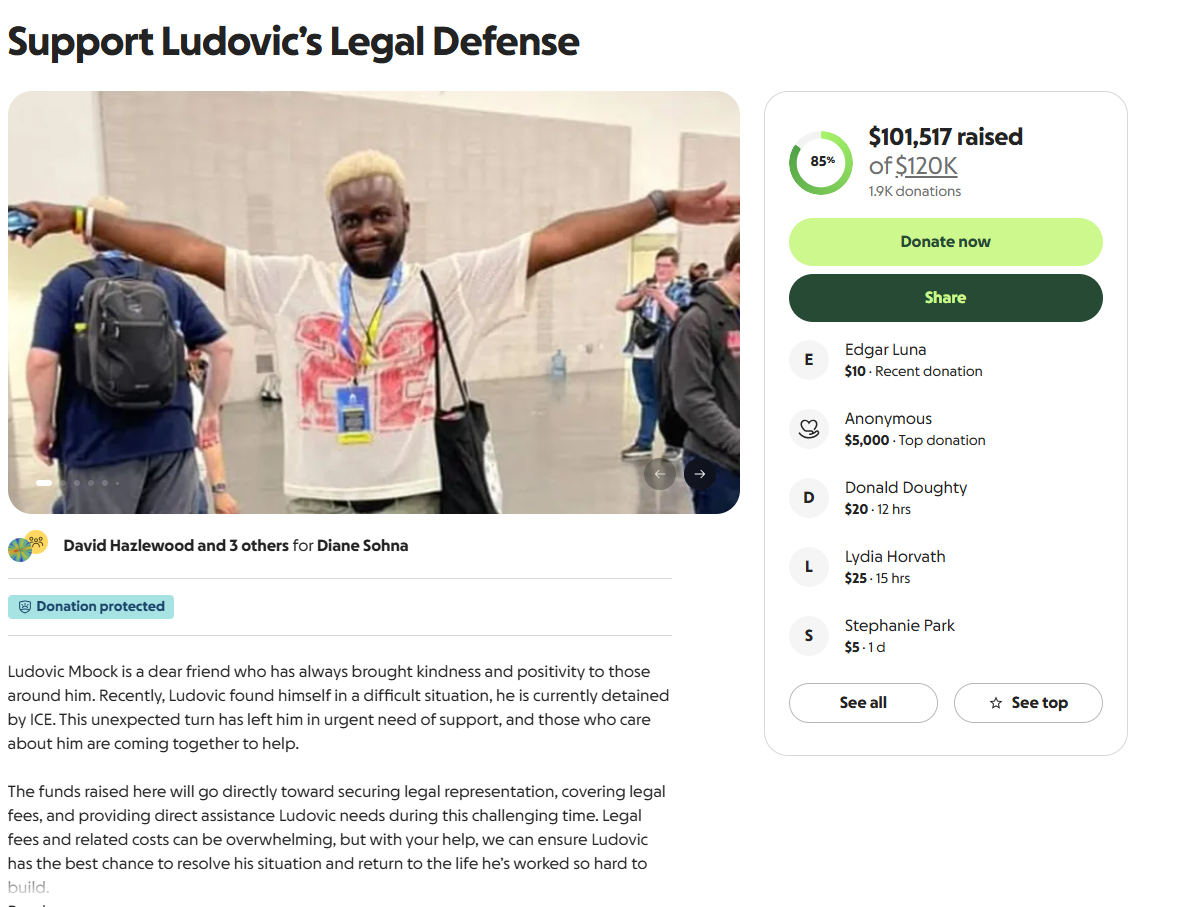
The campaign describes Mbock as a friend known for his kindness and positive spirit. Supporters say the legal process can be financially overwhelming and that community support may give him a stronger chance to defend his case in court.
“Legal fees and related costs can be overwhelming,” organizers wrote on the campaign page. “With your help, we can ensure Ludovic has the best chance to resolve his situation and return to the life he has worked so hard to build.”
For Mbock’s family, the issue is deeply personal. Deportation could mean returning to a country where openly identifying as gay may lead to arrest or imprisonment.
Human-rights advocates point to documented cases that illustrate those risks. One of the most widely cited examples involved Jean?Claude Roger Mbede, a student arrested in 2011 after sending a romantic text message to another man. Authorities charged him under Cameroon’s anti-homosexuality law and sentenced him to three years in prison at Yaoundé’s Kondengui Central Prison. International rights groups condemned the conviction and described Mbede as a prisoner of conscience.
Researchers from Human Rights Watch have also documented cases where individuals were detained simply for accusations of homosexuality or for possessing items such as condoms and lubricant. Some detainees reported beatings or forced confessions during police interrogations.
Activists say the legal penalties often combine with social hostility. LGBTQ people in Cameroon frequently face harassment, public humiliation, and violence from communities or even fellow prisoners. Amnesty International has reported cases where detainees accused of homosexuality experienced abuse while in custody.
For immigration lawyers following Mbock’s case, those documented incidents highlight why deportation could place him at serious risk.
Mbock remains in ICE custody while his legal team explores possible options to prevent removal. Attorneys may pursue emergency appeals, humanitarian protections, or asylum-related arguments before immigration courts.
The outcome of the case may ultimately depend on whether judges conclude that deportation would expose Mbock to persecution because of his sexual orientation.
For now, his situation underscores a larger debate shaping immigration policy. Enforcement laws allow deportations to proceed, yet asylum protections exist to shield people whose identities place them in danger if they return home.