

Francis Ngannou and the PFL Split How Combat Sports Most ...
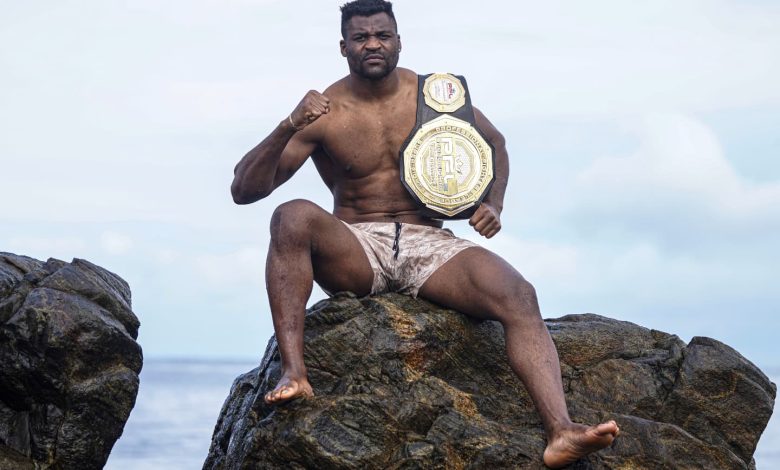
The sudden separation between Francis Ngannou and the Professional Fighters League has left the combat sports world asking a difficult question: how did one of the most feared heavyweights in history become one of the least active stars in modern MMA?
The Professional Fighters League (PFL) confirmed this week that it has officially parted ways with Ngannou, ending a partnership that once promised to reshape the economics of the sport. When Ngannou joined PFL in May 2023, the deal was widely described as historic. It offered him equity in the company, a leadership role tied to the development of PFL Africa, and the freedom to pursue boxing opportunities outside MMA; something the Ultimate Fighting Championship (UFC) had refused during contract negotiations.
At the time, the move was celebrated as a rare victory for a fighter over the traditional power structures of combat sports. Yet nearly three years later, the partnership has quietly ended with only one fight to show for it.
Ngannou’s lone appearance inside the PFL cage came in October 2024 when he fought Brazilian heavyweight Renan Ferreira. The bout lasted less than a round. Ngannou delivered a brutal knockout that reminded the world why he earned the nickname “The Predator.” His punching power long considered among the most terrifying in combat sports was still intact.
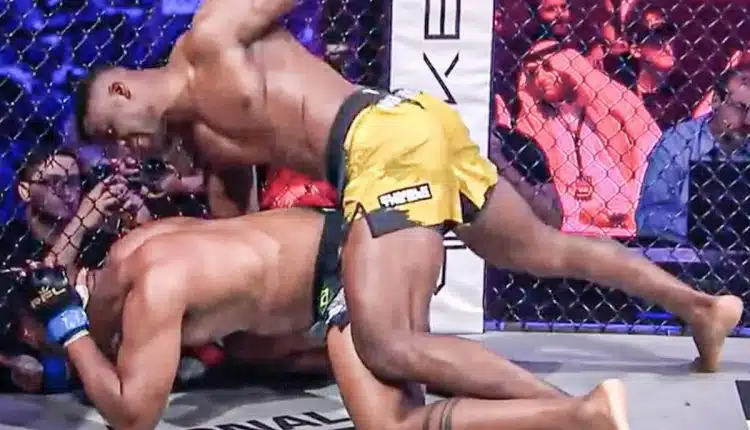
But that victory also highlighted the larger issue surrounding his career in recent years: the fights themselves have become rare events.
Before joining PFL, Ngannou had already spent more than a thousand days away from MMA competition. His last appearance before the Ferreira fight came in January 2022, when he defeated Ciryl Gane to defend the UFC heavyweight championship. That victory capped a remarkable run that included a devastating knockout of Stipe Miocic in 2021 to capture the heavyweight title.
At that moment, Ngannou was arguably the most feared fighter in the sport. Then the relationship with the UFC collapsed. Negotiations between Ngannou and UFC president Dana White broke down over issues that went beyond money. Ngannou insisted on greater freedom in his contract, including the right to pursue boxing and better protections for fighters. The UFC refused to grant those concessions. In early 2023, Ngannou walked away from the promotion as the reigning heavyweight champion an extremely rare occurrence in the history of the organization.
Shortly afterward, Ngannou signed with PFL and began pursuing the boxing career he had always dreamed about. In October 2023 he shocked the boxing world when he stepped into the ring against heavyweight champion Tyson Fury. Many expected a quick knockout loss. Instead, Ngannou knocked Fury down and pushed him to a razor-close decision in one of the biggest surprises boxing had seen in years.
For a moment, Ngannou looked like a once-in-a-generation disruptor capable of shaking two sports at once.
However, the momentum did not last long. In March 2024 he faced former champion Anthony Joshua and suffered a devastating knockout defeat. The loss was a harsh reminder of how dangerous elite boxing can be for newcomers, even those with extraordinary power.
Since then, Ngannou’s activity in combat sports has remained limited.
Some of the reasons are deeply personal. In 2024, Ngannou revealed the tragic death of his young son — a loss that understandably forced him away from competition and public life for a period of time. Such events have reshaped the way many observers view his recent career decisions.
Still, the competitive questions remain unavoidable.
Ngannou is now 39 years old, an age where heavyweight fighters often begin approaching the twilight of their careers. While heavyweights can remain dangerous well into their forties, inactivity presents its own risks. Timing, reflexes and endurance can fade quickly when long gaps separate fights.
For fans, the frustration is not that Ngannou has declined dramatically. It is that he rarely appears often enough to prove whether he has or hasn’t.
The split with PFL also differs sharply from the controversy surrounding his UFC departure. When Ngannou left the UFC, the break became a very public dispute involving harsh comments from both sides. This time the tone has been far quieter. PFL’s statement expressed respect for Ngannou and wished him success in the next stage of his career.
The calm nature of the separation suggests something simpler than a bitter conflict: the partnership simply never produced enough fights.
Ngannou, however, insists his story is not finished.
In a recent interview with TMZ, he stated clearly that he is not done with MMA and still plans to compete again. According to the interview, he hinted that new opportunities may already be in development.
That leaves the sport wondering what his next move might be.
A return to the UFC would instantly become one of the biggest stories in combat sports, especially because fans have long dreamed about a potential showdown between Ngannou and Jon Jones. However, given the history between Ngannou and Dana White, such a reunion remains uncertain.
Another possibility is that Ngannou continues operating as a high-value free agent, accepting occasional blockbuster fights across MMA and boxing rather than committing to a busy schedule.
Either path would keep him relevant. But only one would restore the sense that the most dangerous heavyweight in the world is still actively ruling his division.
For now, Ngannou remains one of the most compelling figures combat sports has ever produced — a former sand miner from Cameroon who rose to global fame through sheer force of will and devastating knockout power. Yet even extraordinary stories must eventually confront time.
The question facing Francis Ngannou today is no longer whether he was great.
The question is whether he still intends to prove it again — and how many fights he has left to do so.